
Tenant rights are rights that can be exercised by the tenant, who is a party to the contract, if the lease agreement contains valid and necessary elements. These rights may differ depending on the type of property rented and generally arise from the obligations of the lessor. The tenant has the authority to make certain demands within the framework of these rights.
Legal Status of the Tenant:
The tenant is an individual who has the capacity to take legal actions and is one of the parties to the lease agreement. There are various rights granted to the tenant by the contract.

Parties to the Lease Agreement:
In a lease agreement, there are usually two parties: the lessor (owner) and the tenant. The tenant has certain rights under the agreement.
This article explains current tenant rights in 2023 and the basic principles of the lease agreement. The rights of the tenant are closely related to the nature and content of the lease and the exercise of these rights depends on the terms of the agreement.
Detailed Listing of Current Tenant Rights in 2023
Tenant rights include various powers specified in the lease agreement and granted to the tenant. Here are some basic rights that tenants have:
Tenure:
The tenant has the right to use and benefit from the rented property.
Eligible Receipt Right:
The right to receive the leased property on the date specified in the contract and in accordance with the intended use.

Request for Preservation of Status:
The tenant has the right to request that the real estate be preserved in the condition in which it was rented during the lease period.
Fulfillment of Obligations:
Unless otherwise agreed, the right to request that the lessor fulfill obligations such as insurance and taxes.
Defect Removal Request:
If there is a defect in the rented property, the tenant has the right to request that this defect be rectified.
Failure to Exit Within the Contract Period:
The tenant's right not to be evicted from the property before the end of the contract period, unless there is a justified reason.
Transfer and Sublease:
The right to transfer or sublease the leased property to someone else, when the written consent of the lessor is obtained.
Refund of Deposit:
The right to return the deposit when the rented property is returned in accordance with the specifications at the time it was rented.
Request to Cover Side Expenses:
The right to request that the incidental expenses related to use be covered by the lessor.
Penal Condition Agreement Blocking:
The right to prevent the conclusion of an agreement containing a penalty clause for late payment of rent.

Termination of Contract:
The right to terminate the contract in case the usability of the leased property is lost or significantly hindered and if these situations are not resolved within the given period.
Prohibition of Adverse Regulation:
It is forbidden to make arrangements against the tenant in the lease agreement.
These articles summarize in detail the current tenant rights as of 2023. The rights that tenants have under lease agreements both ensure their protection and contribute to the fair conduct of the relationship between the lessor and the tenant.
Cases Arising from the Lease Agreement and Tenant Rights
Courts where cases arising from the lease agreement are heard:
Eviction cases arising from the lease agreement, determination of the rental price, other determination cases, cases arising from the termination of the contract, compensation and receivables cases and cases arising from tenant rights are within the jurisdiction of the civil courts of peace.
In such cases, the competent court is the court of the tenant's residence or the court of the place where the lease agreement will be executed.
Non-Contract Tenant Rights:
The lease agreement is not a formal contract. The agreement of the parties' declarations of intent regarding the property subject to lease, transfer period and rental fee is sufficient for tenant rights to arise.
The absence of a written lease agreement does not affect the existence of tenant rights. Written form only provides ease of proof.
Tenant Rights in Written and Non-Written Agreements:
Tenant rights do not vary depending on the way the contract is made. All rights provided by a written lease agreement also apply to an unwritten lease agreement.
Tenant Protection:
The lease agreement protects the tenant from unlawful eviction and obstruction of the exercise of tenancy rights. This protection is valid in every concrete case, regardless of whether the contract is written or oral.
This specification explains in detail the judicial process of cases arising from the lease agreement and how tenant rights operate in written and unwritten agreements. It underlines that tenants' rights are protected regardless of whether the contract is in writing or not.
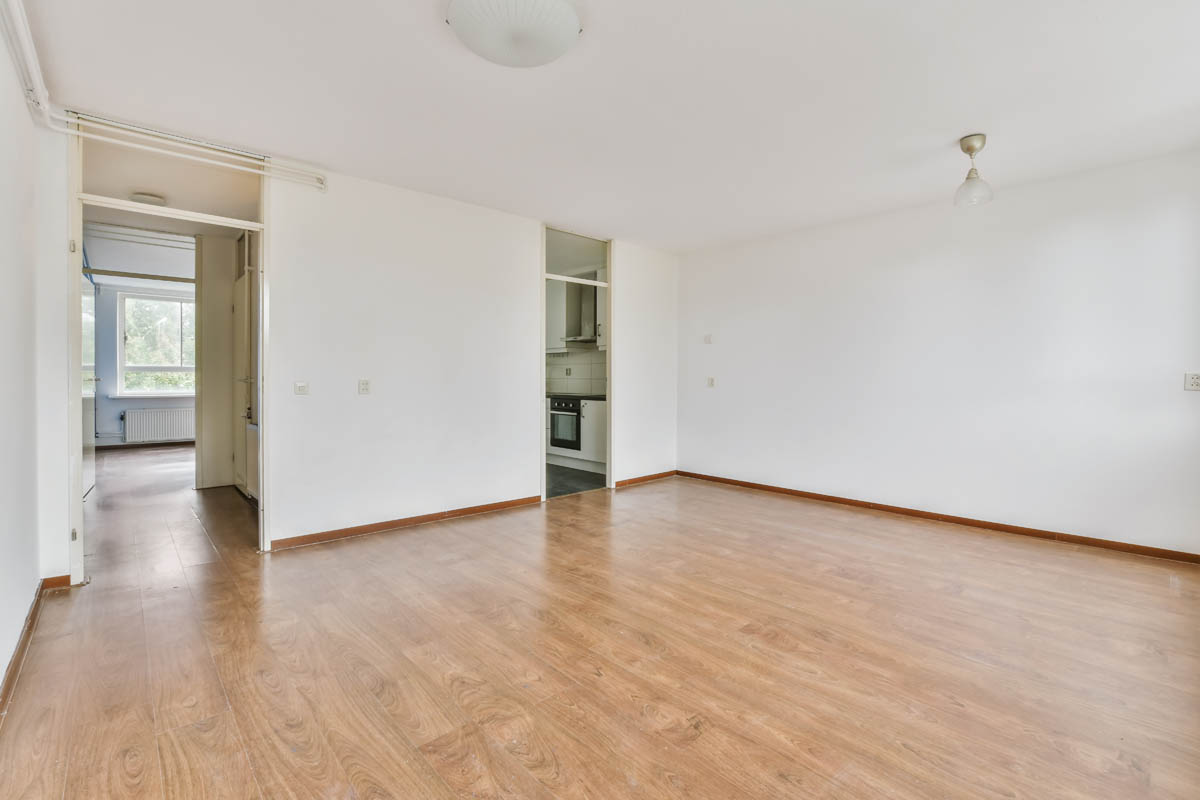
Tenant Rights Under the Law of Obligations
Legal Basis of Tenant Rights:
Tenant rights in Turkey are regulated by the Law No. 6570 on Real Estate Leases and the Law of Obligations. These laws determine the relationship between tenant and property owner and protect tenants' rights.
Tenant Rights in the Code of Obligations:
According to the Code of Obligations, tenants have certain rights. These rights, which were updated in 2019 and remain valid in 2021, aim to protect tenants.
Importance of Lease Agreement:
In accordance with the Law of Obligations, the lease agreement functions as an official deed and determines the rights of the tenant. It is recommended that the tenant carefully examine the details before signing the contract.
Landlord Responsibilities and Tenant Rights:
Tenants can use the rights specified in the Code of Obligations in case of problems that may arise with the property owner. These rights protect tenants' expectations and rights from the property owner.
Tenant rights within the scope of the Code of Obligations constitute an important basis for the protection of tenants and the fair management of legal situations related to the lease agreement. Being aware of these rights and understanding the terms of the contract helps tenants to defend their rights effectively in case of possible disputes.
Detailed Explanations Regarding Tenant Rights
Contract Term and Eviction:
The tenant cannot be evicted from the house before the lease expires without a justified reason. Justifiable grounds are determined within the legal framework.
Obligations of the Property Owner (Article 301 of the Code of Obligations):
The property owner is obliged to keep the rented property in the condition in which he first rented it throughout the lease agreement. Renovation and construction costs are the responsibility of the property owner.
Defects and Barriers to Utilization:
If the tenant cannot benefit from the property sufficiently due to subsequent defects, he can request the removal of these defects from the property owner.
Renewal of Lease Contracts:
Lease contracts are automatically renewed for 1 year unless otherwise stated and a new contract is not prepared 15 days before the expiration date.
Transfer of Property:
The tenant can transfer the rented property to someone else. In this case, written permission must be obtained from the property owner.
Apartment Management of Tenants:
Tenants can become apartment managers and attendance at apartment meetings is sufficient for this.
Insurance and Tax Payments:
Payments such as insurance and taxes belong to the property owner unless otherwise stated in the contract.
Deposit Refund:
When the property owner evicts the tenant from the house, he is obliged to return the deposit if he received the house as he bought it.
Rental Payments and Penalties:
The tenant is responsible for paying rents that are not paid on time. However, the property owner cannot demand additional payments with penalties for late paid rent.
Asset Responsibility:
The tenant cannot be held responsible for fixtures that wear out due to the wear and tear of time.
Urban Transformation Status:
If the tenant's house will be evacuated due to urban transformation, the tenant may receive certain assistance within the scope of Law No. 6306 on the Transformation of Areas Under Disaster Risk.
These articles explain in detail the rights of tenants and their relations with the property owner within the framework of the Code of Obligations and relevant laws. Being aware of these rights and using them effectively ensures that tenants are protected in case of possible disputes.
Explanations Regarding Non-Contract Tenant Rights and Workplace Tenant Rights
Non-Contract Tenant Rights:
The rights of tenants without a contract, that is, those who do not have a written rental agreement, are also determined within the framework of the Code of Obligations. This indicates that tenant rights apply even if there is no written lease agreement.
Application Place for Tenant Rights:
Tenants who have problems with the property owner regarding rent or housing and workplace rules can apply to the Civil Court of Peace for a solution.
Workplace Tenant Rights:
A workplace is a unit where workers come together and is used by the employer to produce goods or services. According to the Labor Law, a workplace is defined as the places, attachments, tools and work organization attached to the workplace.
Workplace leases regulated in the Turkish Code of Obligations (TBK) include workplaces with roofs. For this reason, places without a roofed workplace are subject to the general provisions of the TBK.
The nature and scope of the workplace determine which provisions the lease will be subject to. In a certain decision of the Supreme Court, the importance of determining the nature and qualifications of the workplace was emphasized.
This information explains in detail the rights of tenants and how these rights are protected, especially for tenants without a contract and business tenants. Tenants can act based on these rights in legal problems they encounter.
Deposit and Other Responsibilities of the Workplace Tenant
Deposit (Assurance) Liability and Limitation:
Although the workplace tenant has the responsibility of providing a deposit, in accordance with the Turkish Code of Obligations (TBK) Article 342, the amount of this deposit is limited to 3 months' rent.
Rental Fee and Rental Period in Foreign Currency:
If it is decided to pay the rent in a foreign currency, the tenant has the right to stay in the rented property for 5 years without any change in the rent.
Prohibition of Additional Payments:
Tenants cannot be obliged to pay any extra payment other than the rental fee and ancillary expenses. Additional payments, for example penalty clauses or subsequent rental payments due, are prohibited.
Return of Deposit and Supreme Court Decision:
When the rented real estate is returned with the same characteristics as when it was rented, the tenant has the right to return the deposit. This issue was emphasized in the precedent decision of the 3rd Civil Chamber of the Supreme Court of Appeals. According to the decision, the tenant is obliged to use the leased property appropriately and return it in the same condition as received at the end of the contract. However, the tenant is not responsible for wear and tear resulting from normal use; is only responsible for damage caused by misuse.
This information includes detailed explanations regarding the deposit and other responsibilities of workplace tenants and is based on the relevant provisions of the TCO. Knowing these rights and obligations helps tenants defend their rights effectively in possible disputes.
Tenant Rights: Rental Fee Changes and Termination Conditions
No Changes Can Be Made on Issues Other than the Rental Price (TBK Article 343):
In accordance with Article 343 of the Turkish Code of Obligations, no change can be made against the tenant other than the rental fee. This is an important provision for the protection of the tenant.
Rights and Discount Discount:
Making a discount under the name of "right and fairness discount" in determining the rental price is a situation encountered in practice. In the precedent decision of the 3rd Civil Chamber of the Supreme Court of Appeals, it was emphasized that the necessity of making a reduction in rights and deductions at an appropriate rate, taking into account being a former tenant.
Right of Termination in Roofed Workplace and Residential Leases:
In roofed workplace and residential leases, it is in favor of the tenant that the lessor cannot terminate the contract immediately after the lease expires. In order for the lessor to exercise its right of termination, the 10-year extension period must expire.
Form of Termination Notification:
For a valid termination notice, this notice must be made in writing. This is a regulation to protect the rights of both the tenant and the lessor.
Tenant Rights in Case of Landlord Selling the House
Continuation of the Lease Agreement:
Selling the leased property does not affect the validity of the lease agreement. That is, even if the owner changes, the lease agreement remains valid in its existing form and conditions.
Rights of the New Owner and Status of the Tenant:
In the new situation that arises as a result of the sale of the property, the new owner becomes a party to the lease agreement and becomes the lessor. In this case, the tenant's rights can also be asserted against the new owner.
The new owner may ask the tenant to vacate the property by sending a notice for eviction, under certain conditions and within 1 month after the sale. The tenant has 6 months to vacate the property.
Eviction Case and Process:
Malik must wait for this 6-month period to expire in order to file an eviction lawsuit. If the 6-month period expires, the owner's right to file a lawsuit against the tenant is lost.
General Evaluation of Tenant Rights:
Tenant rights provide certain guarantees to the tenant, regardless of the form of the lease agreement. There may be minor changes in tenant rights depending on the nature of the rental agreement, but this should not violate the tenant's fundamental rights.
As a result, tenant rights are regulated within the legal framework to ensure the continuity of the lease agreement and the protection of the tenant. Tenants should know that their rights are protected in cases such as property sales and how they can use these rights.